
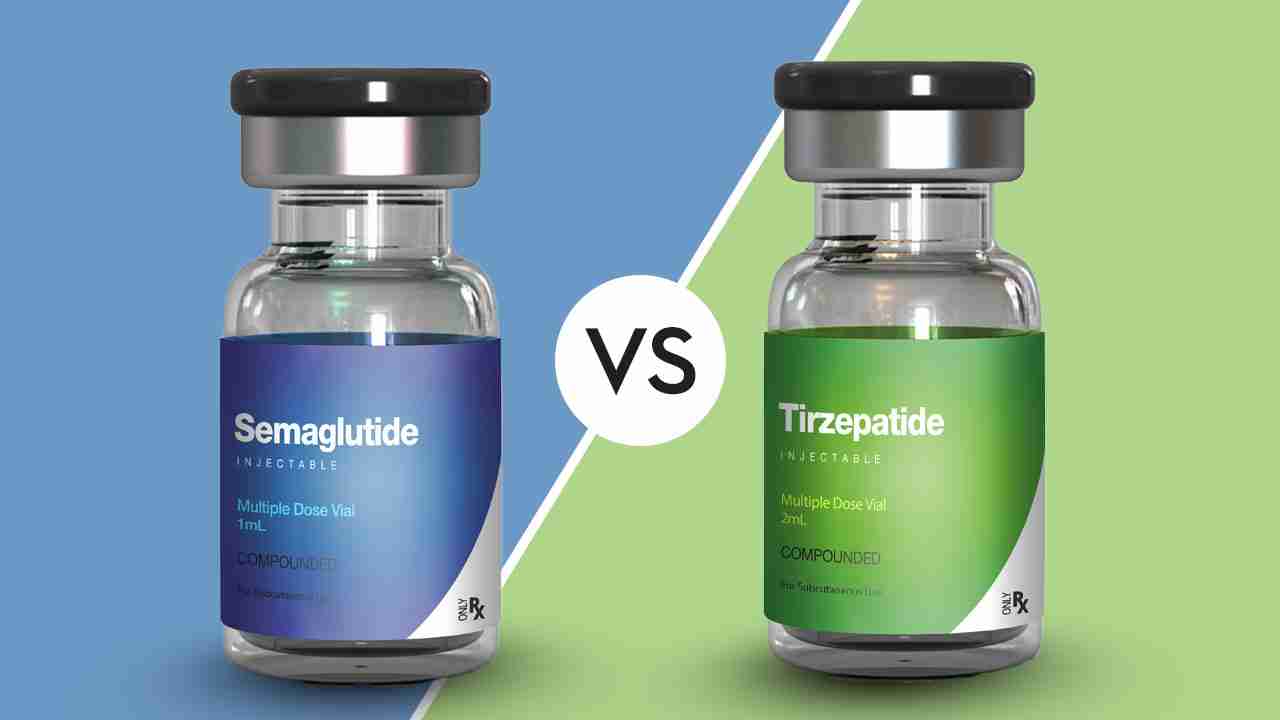
The management of type 2 diabetes and obesity has seen significant advancements with the introduction of semaglutide and tirzepatide. Both medications have demonstrated remarkable efficacy in controlling blood sugar levels and promoting weight loss, yet they operate through different mechanisms and have distinct profiles. In this article, we will delve into the differences between semaglutide and tirzepatide, comparing their efficacy for weight loss, side effects, cost, and more. This comprehensive comparison aims to answer the question: “What is the difference between semaglutide and tirzepatide?”
1.Mechanism of Action
Semaglutide is a glucagon-like peptide-1 (GLP-1) receptor agonist. It mimics the action of the naturally occurring hormone GLP-1, which plays a crucial role in glucose metabolism. By binding to GLP-1 receptors, semaglutide stimulates insulin secretion, inhibits glucagon release, and slows gastric emptying. These actions help regulate blood sugar levels and promote a feeling of fullness, aiding in weight loss.
Tirzepatide is a dual glucose-dependent insulinotropic polypeptide (GIP) and GLP-1 receptor agonist. This dual action sets it apart from semaglutide. By activating both GIP and GLP-1 receptors, tirzepatide enhances insulin secretion, reduces glucagon levels, and slows gastric emptying. The combined effect on these two receptors may offer superior glycemic control and weight loss compared to GLP-1 receptor agonists alone.
2.Tirzepatide vs Semaglutide for Weight Loss
Weight loss is a significant benefit of both semaglutide and tirzepatide, especially for individuals struggling with obesity.
- Semaglutide:
Clinical trials have shown that semaglutide can lead to substantial weight loss. In the STEP (Semaglutide Treatment Effect in People with obesity) trials, participants taking semaglutide experienced significant reductions in body weight. On average, patients lost about 15-20% of their body weight over 68 weeks.
- Tirzepatide:
Tirzepatide has demonstrated even more impressive results in clinical trials. The SURPASS (A Study of Tirzepatide in Participants With Type 2 Diabetes) trials revealed that tirzepatide could lead to greater weight loss compared to semaglutide. Participants taking tirzepatide lost an average of 20-25% of their body weight, making it a potentially more effective option for weight management.
3.Tirzepatide vs Semaglutide Side Effects
Both semaglutide and tirzepatide share a similar side effect profile, primarily related to gastrointestinal discomfort. However, there are some differences in the incidence and severity of these side effects.
- Semaglutide:
Common side effects of semaglutide include nausea, vomiting, diarrhea, and constipation. These symptoms are usually mild to moderate and tend to diminish over time as the body adjusts to the medication. Some patients may also experience headaches and fatigue.
- Tirzepatide:
Tirzepatide also causes gastrointestinal side effects, such as nausea, vomiting, and diarrhea. However, some studies suggest that these side effects may be more pronounced compared to semaglutide. Additionally, tirzepatide has been associated with a higher incidence of injection site reactions. It is essential to monitor these symptoms and consult with a healthcare provider to manage any persistent or severe side effects.
4.Cost and Availability
The cost of semaglutide and tirzepatide can vary based on insurance coverage, geographic location, and the specific formulation of the medication.
- Semaglutide:
Semaglutide has been on the market longer and is available under different brand names, such as Ozempic for diabetes management and Wegovy for weight loss. The cost of semaglutide can range from $800 to $1,200 per month without insurance. However, many insurance plans cover a significant portion of this cost, and manufacturer coupons or patient assistance programs may be available.
- Tirzepatide:
Tirzepatide is a newer medication, and its cost reflects its recent entry into the market. The price of tirzepatide can be higher, ranging from $1,000 to $1,500 per month without insurance. As with semaglutide, insurance coverage and patient assistance programs can help reduce out-of-pocket expenses.
5.Practical Considerations
- Dosing and Administration:
Both semaglutide and tirzepatide are administered once weekly via subcutaneous injection. Adherence to the prescribed dosing regimen is crucial for achieving optimal results. Patients should follow their healthcare provider’s instructions regarding injection techniques and storage of the medication.
- Patient Preferences:
Individual preferences and tolerability play a significant role in choosing between semaglutide and tirzepatide. Some patients may prefer semaglutide due to its longer presence in the market and potentially milder side effects. Others may opt for tirzepatide for its superior weight loss benefits and dual mechanism of action.
6.Conclusion
In summary, the primary difference between semaglutide and tirzepatide lies in their mechanisms of action and clinical efficacy. Semaglutide is a GLP-1 receptor agonist, while tirzepatide is a dual GIP and GLP-1 receptor agonist. Both medications are highly effective in managing blood sugar levels and promoting weight loss, but tirzepatide may offer superior benefits due to its dual mechanism.
When considering “what is the difference between semaglutide and tirzepatide,” it is essential to weigh the potential benefits and side effects of each medication. Consulting with a healthcare provider can help determine the most appropriate treatment option based on individual health needs and preferences. By understanding the differences and similarities between these two medications, patients can make informed decisions to optimize their diabetes and weight management strategies.
