
Tirzepatide can lead to weight loss of up to 25 pounds in clinical trials, while semaglutide to tirzepatide conversion requires careful dosage adjustment to maintain efficacy. This significant weight loss difference—compared to semaglutide’s maximum of 14.2 pounds—highlights why many patients and clinicians consider switching between these medications.

We understand that switching from semaglutide to tirzepatide involves more than simply substituting one medication for another. Both medications work differently: semaglutide mimics the natural hormone GLP-1 to increase insulin secretion and reduce appetite, whereas tirzepatide targets both GLP-1 and GIP receptors for enhanced effects. For patients making this transition, a proper washout period is essential, followed by starting tirzepatide at doses between 2.5mg and 5mg weekly. Throughout this article, we’ll provide a comprehensive semaglutide to tirzepatide dose conversion chart based on clinical trial data and expert recommendations. Additionally, we’ll cover important considerations like managing the potentially higher rate of gastrointestinal side effects—6% for tirzepatide compared to 3.1% for semaglutide.
Ⅰ.Semaglutide to Tirzepatide Dose Conversion Chart 2025
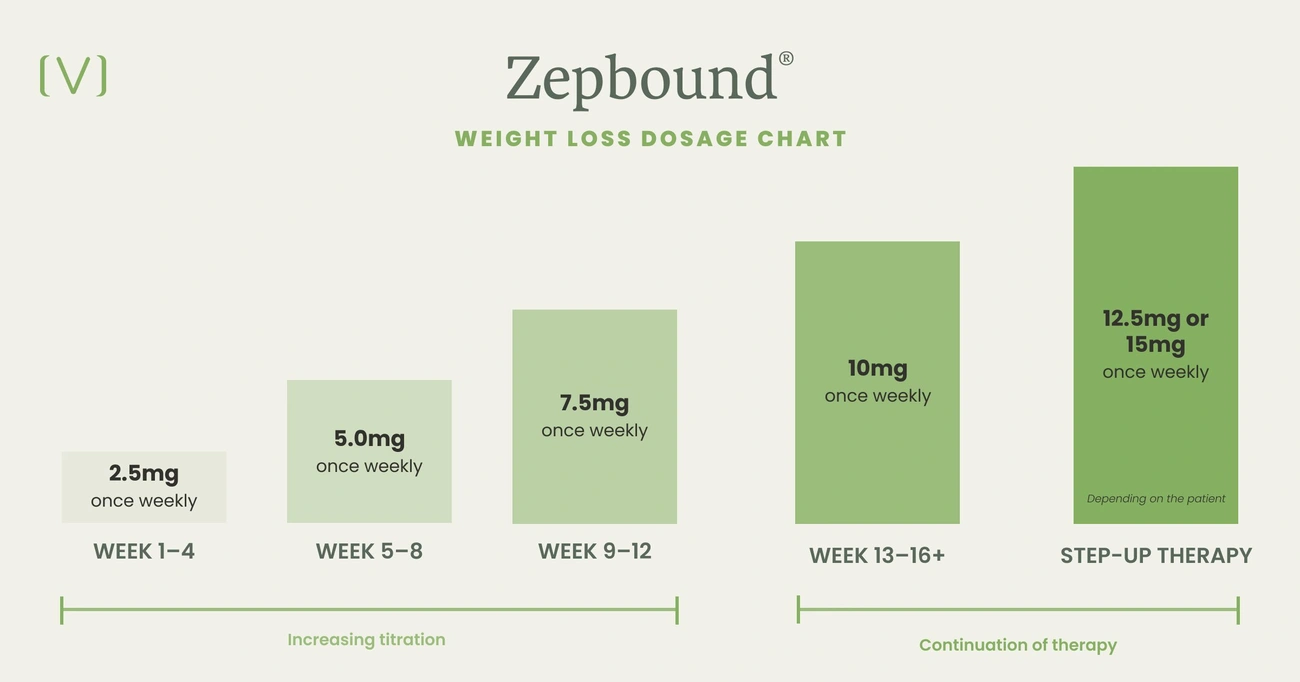 Image Source: Ivím Health
The process of converting semaglutide to tirzepatide dosages requires careful consideration of medication potency, mechanism of action, and clinical endpoints. Despite both medications targeting similar pathways, direct conversion charts are challenging due to their different dosing structures and potencies.
1.Weekly Injectable Equivalents: 0.25mg to 15mg
Converting between injectable semaglutide (Wegovy/Ozempic) and tirzepatide (Zepbound/Mounjaro) follows specific dose relationships. For patients starting semaglutide at 0.25mg to 0.5mg weekly, the equivalent tirzepatide starting dose is typically 2.5mg weekly. Patients on maintenance semaglutide doses of 1mg to 1.7mg weekly generally convert to tirzepatide 5mg weekly. Higher semaglutide doses around 2.4mg typically correspond to tirzepatide 7.5mg or 10mg weekly. Notably, tirzepatide offers higher maximum doses (12.5mg and 15mg) that exceed semaglutide’s maximum strength.
2.Oral Semaglutide vs Injectable Tirzepatide
Oral semaglutide (Rybelsus) requires specific administration guidelines—taken on an empty stomach with only a sip of water, 30 minutes before food or other medications. When converting from oral semaglutide to injectable tirzepatide, dosage adjustment follows this pattern: 3mg oral semaglutide typically converts to 2.5mg tirzepatide, 7mg oral converts to 5mg tirzepatide, and 14mg oral typically converts to 7.5mg or 10mg tirzepatide weekly.
3.Dose Matching Based on A1c Reduction
Clinical trials provide guidance for dose matching based on A1c reduction. According to SURPASS-2 data, tirzepatide 5mg produced a -2.0% A1c reduction compared to -1.86% with semaglutide 1mg. Tirzepatide 10mg and 15mg demonstrated even greater reductions at -2.2% and -2.3% respectively. For patients requiring stricter glycemic control, each tirzepatide dose reduced A1c more effectively than comparable semaglutide doses. Furthermore, tirzepatide 15mg enabled 51% of patients to achieve A1c <5.7% compared to just 20% with semaglutide.
4.Weight Loss Equivalency by Dosage Tier
Weight loss outcomes also guide dose conversion decisions. In clinical trials, tirzepatide 5mg resulted in -7.8kg (-8.5%) weight loss compared to -6.2kg (-6.7%) with semaglutide 1mg. Higher tirzepatide doses of 10mg and 15mg achieved -10.3kg (-11.0%) and -12.4kg (-13.1%) weight reductions respectively. Consequently, patients seeking enhanced weight management might benefit from higher tirzepatide doses. In the SARMOUNT-5 study, tirzepatide reduced body weight by 20.2% compared to semaglutide’s 13.7% after 72 weeks.
The higher efficacy of tirzepatide across all doses stems from its dual-action mechanism targeting both GLP-1 and GIP receptors, as opposed to semaglutide’s single GLP-1 receptor targeting.
Ⅱ.Clinical Trial Comparisons for Conversion Decisions
Clinical trials offer crucial insights when considering semaglutide to tirzepatide conversion decisions. These studies provide direct comparisons that inform optimal dosing strategies for patients transitioning between medications.
1.SURPASS-2: Tirzepatide vs Semaglutide 1mg
The pivotal SURPASS-2 trial directly compared tirzepatide with semaglutide 1mg across 1,879 participants over 40 weeks. All tirzepatide doses demonstrated superior glycemic control compared to semaglutide 1mg, with A1C reductions of -2.01% (5mg), -2.24% (10mg), and -2.30% (15mg) versus -1.86% with semaglutide. Significantly, weight reductions were substantially greater with tirzepatide: -7.8kg (5mg), -10.3kg (10mg), and -12.4kg (15mg) compared to -6.2kg with semaglutide. Moreover, 51% of patients on tirzepatide 15mg achieved A1C below 5.7% versus just 20% with semaglutide.
2.SUSTAIN FORTE: Semaglutide 1mg vs 2mg
SUSTAIN FORTE evaluated higher-dose semaglutide in 961 patients with inadequately controlled type 2 diabetes. After 40 weeks, semaglutide 2mg produced a superior A1C reduction of 2.2% compared to 1.9% with the 1mg dose. Additionally, 68% of patients on 2mg achieved A1C below 7% versus 58% on 1mg. Weight loss was modestly improved at 6.9kg with 2mg versus 6.0kg with 1mg.
3.AWARD-11: Dulaglutide vs Higher Doses
AWARD-11 investigated escalating dulaglutide doses in 1,842 participants. Higher doses (3.0mg and 4.5mg) showed dose-dependent improvements over the standard 1.5mg dose. Importantly, patients with baseline A1C ≥10% experienced progressively greater reductions: -2.2% (1.5mg), -2.5% (3.0mg), and -3.2% (4.5mg).
4.Discontinuation Rates Due to GI Side Effects
Gastrointestinal events remain the primary reason for discontinuation when switching from semaglutide to tirzepatide. In SURPASS-2, discontinuation rates due to adverse events were 5.1% (tirzepatide 5mg), 7.7% (10mg), 7.9% (15mg), and 3.8% (semaglutide). Real-world studies indicate GI side effects develop in 40-70% of GLP-1 patients. Nevertheless, clinical experiences show approximately 5% of patients discontinue due specifically to side effects.
Ⅲ.How to Switch from Semaglutide to Tirzepatide Safely
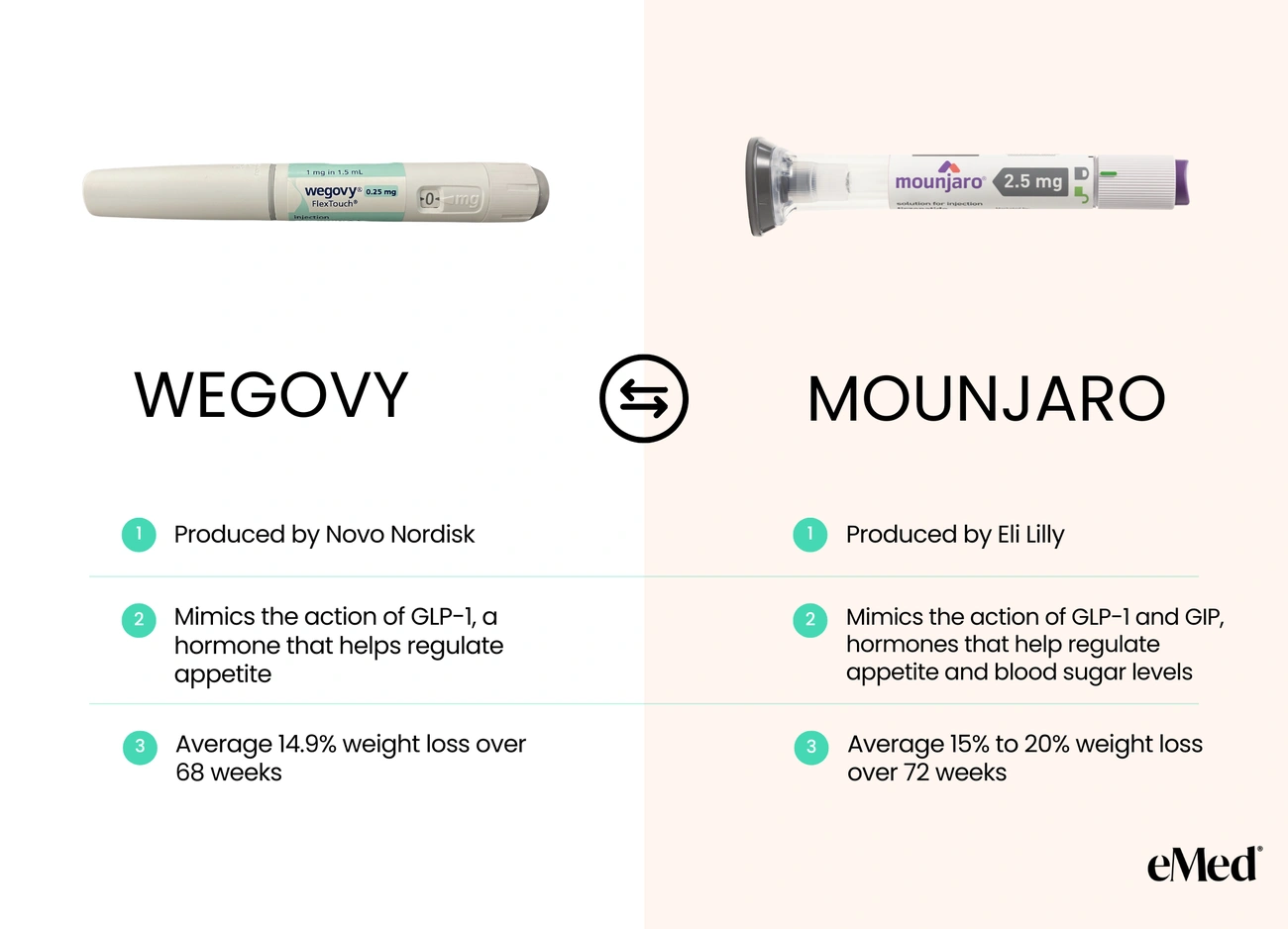
Transitioning from one medication to another requires careful planning under healthcare provider supervision. A safe semaglutide to tirzepatide conversion process involves several key steps to maintain efficacy while minimizing side effects.
1.Recommended Washout Periods
Studies involving patients with type 2 diabetes who switched from semaglutide to tirzepatide found that a washout period of 3-10 days was generally well-tolerated. Initially, stopping semaglutide and waiting at least 7 days before starting tirzepatide allows the first medication to clear from your system. Practically, most patients can finish their last semaglutide dose and begin tirzepatide on their next scheduled injection day (approximately one week later).
2.Starting Tirzepatide at 2.5mg or 5mg
When switching from semaglutide to tirzepatide, most healthcare providers recommend starting with the lowest 2.5mg dose of tirzepatide, regardless of your previous semaglutide dosage. However, patients who tolerated semaglutide well may sometimes start at 5mg tirzepatide. The 2.5mg starting dose primarily serves as an introduction to the medication rather than for glycemic control.
3.Titration Schedule: 2.5mg Increments Every 4 Weeks
Following the initial 2.5mg dose for 4 weeks, your provider will typically increase the dose to 5mg weekly. Subsequently, if additional glycemic control is needed, the dosage is escalated in 2.5mg increments after at least 4 weeks on each dose. This gradual titration approach helps minimize gastrointestinal side effects. The maximum tirzepatide dose is 15mg once weekly.
4.Monitoring for GI Tolerance During Transition
Throughout the transition period, closely monitor for gastrointestinal reactions – especially nausea, vomiting, diarrhea, and constipation. If side effects become problematic:
- Eat smaller meals and avoid fatty foods
- Stay well hydrated
- Follow your doctor’s dose escalation schedule precisely
- Don’t increase your dose faster than recommended, even if feeling good
Regular check-ins with your healthcare provider during this transition allow for monitoring blood glucose levels, weight changes, and any adverse reactions.
Ⅳ.Re-initiation Protocols After Missed Doses
Missing scheduled doses of GLP-1 medications necessitates specific re-initiation protocols to maintain effectiveness and minimize side effects. Understanding these protocols is essential for patients who experience treatment interruptions.
1.Semaglutide: Restarting After 2 to 5 Missed Doses
Restarting semaglutide follows a tiered approach based on the duration of interruption. For missed doses where the next scheduled dose is more than two days away, take the missed dose promptly. If one to two consecutive doses are missed, resume at your previous dose without adjustment. After missing three to four consecutive doses, restart at half your previous dose (0.5mg) for four weeks before returning to your maintenance dose. For five or more missed doses, clinical guidelines recommend completely restarting the titration schedule from 0.25mg.
2.Tirzepatide: Restarting After >3 Missed Doses
Tirzepatide re-initiation protocols differ slightly from semaglutide. If you miss a dose and it’s within four days (96 hours), take it immediately. Beyond this window, skip the missed dose and continue with your next scheduled injection. For three or more consecutive missed doses, the American Diabetes Association recommends restarting at 5mg weekly regardless of your previous dose, then gradually escalating back to your maintenance dose. This approach helps minimize gastrointestinal side effects typically experienced with abrupt dose increases.
3.When to Step Down to Lower Dose
Stepping down to a lower dose becomes necessary primarily after extended treatment interruptions. Unlike relatively brief interruptions, prolonged gaps of two weeks or more significantly impact physiological responses and may require dosage adjustments. Patients experiencing intolerable side effects upon re-initiation should consider temporarily reducing their dose by one level. Importantly, patients who had difficulty tolerating higher doses previously should restart at lower doses even after brief interruptions.
4.Counseling Patients on Side Effect Risks
Patient education about re-initiation risks remains crucial. Gastrointestinal symptoms typically worsen when restarting at too high a dose. Patients should understand that skipping doses in anticipation of special occasions offers minimal benefit since a single missed dose rarely affects hunger or side effects. Healthcare providers should advise patients that attempting to resume at their previous dose after extended interruptions may result in severe nausea, vomiting, or diarrhea. Regular communication with healthcare providers throughout the re-initiation process allows for personalized adjustments based on individual tolerance.
Ⅴ.Final Considerations for Switching Medications
Comparing tirzepatide and semaglutide reveals significant differences that warrant careful consideration during medication transitions. Throughout this article, we explored comprehensive dosage conversion charts showing tirzepatide’s enhanced efficacy across multiple clinical endpoints. Clinical data undoubtedly demonstrates tirzepatide’s superior weight loss outcomes—up to 25 pounds versus semaglutide’s 14.2 pounds—primarily due to its dual-action mechanism targeting both GLP-1 and GIP receptors.
Safety must remain paramount when switching between these medications. Therefore, patients should adhere to recommended washout periods of 7-10 days before initiating tirzepatide, typically starting at the 2.5mg introductory dose regardless of previous semaglutide dosage. Additionally, following the prescribed titration schedule of 2.5mg increments every four weeks helps minimize gastrointestinal side effects while maximizing therapeutic benefits.
Patients should nonetheless expect potential side effect differences, as tirzepatide shows slightly higher rates of gastrointestinal issues (6% versus 3.1% with semaglutide). The re-initiation protocols after missed doses differ substantially between medications, with tirzepatide requiring a more conservative restart approach of 5mg weekly after extended interruptions.
Medication conversion decisions should always involve healthcare provider guidance to ensure appropriate dosing based on individual therapeutic goals and tolerance profiles. Patients seeking additional information about peptide medications and proper administration techniques can learn more by checking out ModPeptides for comprehensive resources on GLP-1 medications.
Lastly, dosage conversions represent more than simple numerical adjustments—they reflect fundamental differences in medication mechanisms, potencies, and clinical outcomes. The appropriate transition strategy depends on numerous factors including previous dose tolerance, treatment goals, and individual patient characteristics. With proper medical supervision and adherence to established protocols, patients can safely navigate the transition between these effective weight management and diabetes medications.
Ⅵ.FAQs
Q1. What are the main differences between semaglutide and tirzepatide? Tirzepatide targets both GLP-1 and GIP receptors, while semaglutide only targets GLP-1. This dual-action mechanism allows tirzepatide to potentially achieve greater weight loss and A1c reduction compared to semaglutide.
Q2. How should I transition from semaglutide to tirzepatide? It’s recommended to have a 7-10 day washout period after stopping semaglutide before starting tirzepatide. Typically, you’ll start with the lowest 2.5mg dose of tirzepatide, regardless of your previous semaglutide dosage, and then gradually increase as directed by your healthcare provider.
Q3. What side effects should I be aware of when switching to tirzepatide? Gastrointestinal side effects like nausea, vomiting, and diarrhea are common. Tirzepatide may have a slightly higher rate of these side effects compared to semaglutide. It’s important to monitor your symptoms and communicate with your healthcare provider during the transition.
Q4. How does the dosing schedule for tirzepatide compare to semaglutide? Tirzepatide is typically administered once weekly, similar to injectable semaglutide. However, tirzepatide offers higher maximum doses (up to 15mg) compared to semaglutide. The titration schedule for tirzepatide involves 2.5mg increments every 4 weeks until the desired dose is reached.
Q5. What should I do if I miss doses of tirzepatide? If you miss a dose and it’s within 4 days, take it immediately. If more than 4 days have passed, skip the missed dose and take your next scheduled dose. For 3 or more consecutive missed doses, it’s recommended to restart at 5mg weekly and then gradually increase back to your maintenance dose under medical supervision.
Ⅶ.References
[1] – https://www.faynutrition.com/post/switching-from-semaglutide-to-tirzepatide-what-you-need-to-know
[2] – https://www.drugs.com/medical-answers/tirzepatide-semaglutide-how-compare-3576410/
[3] – https://www.patientcareonline.com/view/novel-agent-tirzepatide-superior-to-semaglutide-in-reducing-a1c-body-weight-in-type-2-diabetes
[4] – https://www.invigormedical.com/weight-loss/how-to-restart-semaglutide-understanding-dosage-and-timing/?srsltid=AfmBOoqTEbZKlpI0tyzx02yvanzALO2F4OsAYCkGDyKBYGPERymgb2qH
[5] – https://mounjaro.lilly.com/hcp/getting-patients-started
[6] – https://medical.lilly.com/us/products/answers/how-should-mounjaro-tirzepatide-doses-be-increased-110552
[7] – https://www.nejm.org/doi/full/10.1056/NEJMoa2107519
[8] – https://investor.lilly.com/news-releases/news-release-details/lillys-surpass-2-results-published-new-england-journal-medicine
[9] – https://www.clinicaltrialsarena.com/news/novo-nordisk-diabetes-trial/
[10] – https://investor.lilly.com/news-releases/news-release-details/lillys-award-11-trial-studying-higher-investigational-doses
[11] – https://dom-pubs.onlinelibrary.wiley.com/doi/full/10.1111/dom.14533
[12] – https://www.biospace.com/drug-development/glp-1-side-effects-only-one-factor-driving-patient-discontinuation-rates
[13] – https://ro.co/weight-loss/how-to-switch-from-semaglutide-to-tirzepatide/
[14] – https://www.tryeden.com/post/switching-from-semaglutide-to-tirzepatide?srsltid=AfmBOopBmOBPUGJ8y00cz8ErDSbHBFV7peWiLxIbY-B2WjrfwaRTzSmj
[15] – https://www.ncbi.nlm.nih.gov/books/NBK585056/
[16] – https://bmidoctors.com/switching-glp-1-medications-best-practices-for-transitioning-from-semaglutide-to-tirzepatide/
[17] – https://www.ncbi.nlm.nih.gov/books/NBK603723/
[18] – https://ro.co/weight-loss/tirzepatide-dosage/
[19] – https://www.creighton.edu/sites/default/files/2024-09/SPAHP-Pharmerica-Newsletter-May-24.pdf
[20] – https://polarbearmeds.com/restarting-wegovy-after-2-weeks/
[21] – https://www.everydayhealth.com/weight/is-it-ok-to-skip-an-ozempic-shot-now-and-then/
[22] – https://www.uclahealth.org/news/article/missed-dose-or-more-your-glp-1-medication-heres-what-do
[23] – https://www.bilhpn.org/wp-content/uploads/2022/12/BILH-GLP1RA-Conversion-Guide.pdf
[24] – https://www.drugs.com/medical-answers/mounjaro-ozempic-compare-3571637/
[25] – https://www.nicerx.com/blog/switching-from-semaglutide-to-tirzepatide-dose-conversion-chart/
[26] – https://www.lineerasermd.com/blog/switching-from-semaglutide-to-tirzepatide/
