
Compounded tirzepatide serves as a customized medication for managing specific health conditions. Proper storage ensures the medication remains effective and safe for use. Various factors, including temperature and exposure to light, significantly impact the stability of compounded tirzepatide. Understanding how long is compounded tirzepatide good for in the fridge helps maintain its potency and effectiveness.
 Image Source: Internet
1.Understanding Compounded Tirzepatide
1.1.What is Compounded Tirzepatide?
Definition and Purpose
Compounded tirzepatide refers to a customized medication formulated by a compounding pharmacy. This medication serves as a dual-acting glucagon-like peptide-1 (GLP-1) and GIP receptor agonist. Pharmacists compound tirzepatide to meet specific patient needs, especially when standard doses are unavailable. This customization helps manage chronic weight conditions and type 2 diabetes.
Common Uses
Compounded tirzepatide primarily aids in chronic weight management. Patients with a body mass index (BMI) of 30 kg/m² or greater benefit from this medication. Those with a BMI of 27 kg/m² or greater and at least one weight-related comorbid condition also find it useful. Conditions such as hypertension, type 2 diabetes mellitus, and dyslipidemia often accompany obesity. This medication helps adults lose weight and maintain weight loss.
1.2.How Compounded Tirzepatide is Prepared
Compounding Process
The compounding process involves creating a medication tailored to individual patient requirements. Pharmacists use high-quality ingredients from FDA-registered facilities. Every active pharmaceutical ingredient (API) must meet strict criteria set by the United States Pharmacopeia-National Formulary (USP-NF). The equipment used in compounding undergoes inspection by state boards of pharmacy and the FDA. This ensures that compounded medications meet high standards of quality and compliance.
Role of the Pharmacist
Pharmacists play a crucial role in preparing compounded tirzepatide. They ensure that the medication meets specific patient needs. Pharmacists customize doses to maintain consistent treatment outcomes. This prevents interruptions in medication dosages, especially during drug shortages. By adhering to stringent guidelines, pharmacists help sustain the efficacy and safety of compounded tirzepatide.
2.Storage Guidelines for Compounded Tirzepatide
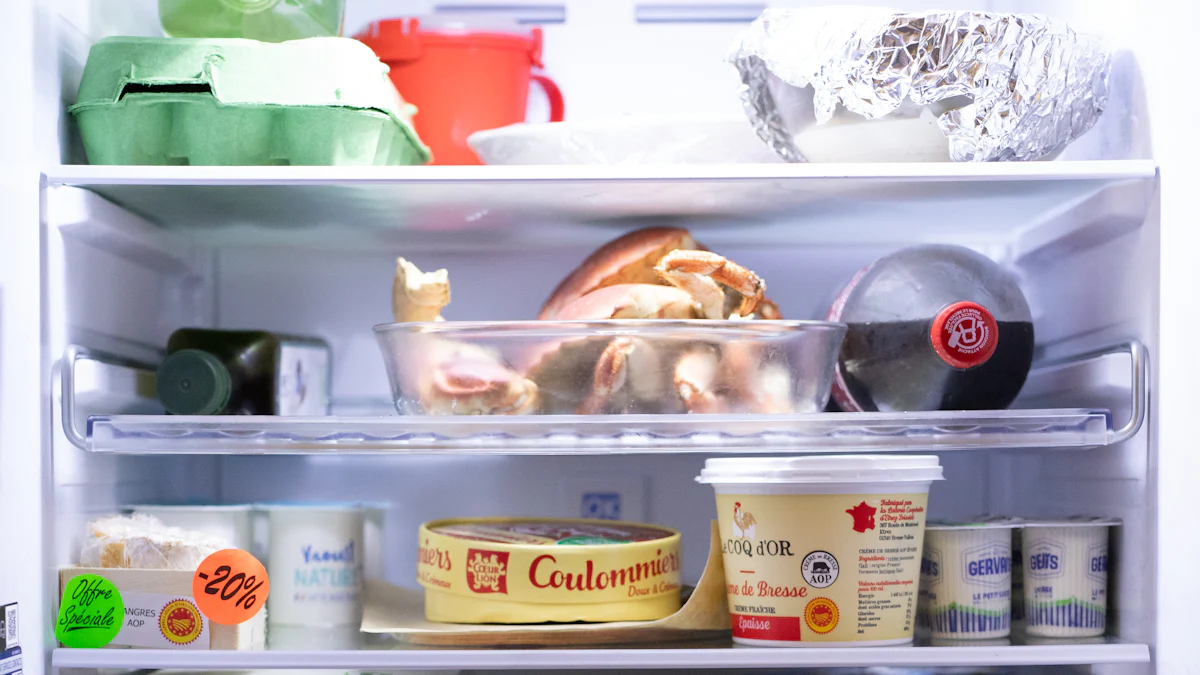 Image Source: Internet
2.1.how long is compounded tirzepatide good for in the fridge
Ideal Temperature Range
Compounded tirzepatide should be stored in the refrigerator between 36°F and 46°F. This temperature range helps maintain the medication’s stability and effectiveness. Storing the medication within this range ensures that it remains potent for up to three months. Avoid freezing the medication, as this can compromise its integrity.
Importance of Consistent Temperature
Maintaining a consistent temperature is crucial for compounded tirzepatide. Fluctuations in temperature can lead to degradation of the medication. A stable environment helps preserve the medication’s efficacy. Use a medical monitor fridge if possible. This type of fridge provides controlled refrigeration, which is ideal for storing compounded medications.
2.2.Manufacturer Recommendations
Guidelines from Pharmaceutical Companies
Pharmaceutical companies provide specific guidelines for storing compounded tirzepatide. These guidelines emphasize the importance of refrigeration. The medication should be kept between 36°F and 46°F. If necessary, compounded tirzepatide can remain unrefrigerated for up to 21 days. However, the temperature should not exceed 86°F during this period.
Variations Based on Formulation
Different formulations of compounded tirzepatide may have varying storage requirements. Some formulations might have extended shelf lives when stored under optimal conditions. Always follow the specific instructions provided by the compounding pharmacy. These instructions ensure that the medication remains effective and safe for use.
3.Factors Affecting Stability
 Image Source: Internet
3.1.Temperature Fluctuations
Impact of Temperature Changes
Temperature fluctuations can significantly impact the stability of compounded tirzepatide. Exposure to temperatures above 30°C can compromise the medication’s effectiveness. High temperatures can degrade the biological activity of tirzepatide, reducing its therapeutic effects. Refrigeration is essential to maintain the medication’s potency and ensure it remains effective for use.
How to Minimize Fluctuations
To minimize temperature fluctuations, store compounded tirzepatide in a medical monitor fridge if possible. This type of fridge provides controlled refrigeration, which helps maintain a consistent temperature. Avoid placing the medication near the fridge door where temperature changes occur frequently. Regularly check the fridge temperature to ensure it stays within the ideal range of 36°F to 46°F.
3.2.Exposure to Light and Air
Effects of Light Exposure
Light exposure can degrade the potency of compounded tirzepatide. UV light can break down the active ingredients, reducing the medication’s effectiveness. Prolonged exposure to light can lead to significant loss of therapeutic benefits. Therefore, it is crucial to protect the medication from light to maintain its stability.
Proper Sealing and Storage Containers
Proper sealing and storage containers play a vital role in preserving the stability of compounded tirzepatide. Use opaque or amber-colored containers to protect the medication from light exposure. Ensure that the containers are tightly sealed to prevent air from entering. Air exposure can lead to oxidation, which can degrade the medication. Store the containers in a cool, dark place within the fridge to maximize the medication’s shelf life.
4.Practical Tips for Storing Compounded Tirzepatide
4.1.Best Practices for Home Storage
Choosing the Right Spot in the Fridge
Store compounded tirzepatide in a controlled refrigeration environment. Place the medication in the middle or lower shelves of the fridge. Avoid the fridge door, where temperature fluctuations occur frequently. Use a medical monitor fridge if possible. This type of fridge provides consistent and controlled refrigeration.
Regularly Checking Expiry Dates
Check the expiry dates on compounded tirzepatide regularly. Mark the date of puncture on the vial to track its shelf life. Discard any medication that has passed its expiration date. Follow the recommended storage conditions to maintain the medication’s effectiveness.
4.2.What to Do if Storage Guidelines are Not Met
Identifying Signs of Degradation
Inspect compounded tirzepatide for signs of degradation. Look for changes in color, consistency, or odor. Any unusual appearance may indicate that the medication has degraded. Consult a healthcare professional if you notice any signs of degradation.
Steps to Take if Medication is Compromised
Take immediate action if compounded tirzepatide is compromised. Discard the medication if it has been exposed to temperatures outside the recommended range. Contact your pharmacist for guidance on obtaining a new supply. Always store your medication as directed to ensure its efficacy and safety.
Frequently asked questions
1.How Long Does Tirzepatide Last in the Fridge?
2.How Long Does Tirzepatide Take to Work for Weight Loss? A Detailed Analysis
3.What is compounded tirzepatide and how does it work?
We covered essential points about storing compounded tirzepatide. Proper storage maintains medication effectiveness and safety. Always follow the recommended temperature range of 36°F to 46°F. Consistent refrigeration prevents degradation. Consult healthcare professionals for personalized advice. Regularly check expiration dates and adhere to manufacturer guidelines. Controlled refrigeration ensures optimal preservation. By following these steps, you can maintain the potency and efficacy of compounded tirzepatide.
