
Semaglutide has emerged as a powerful medication for weight management. This drug not only helps in reducing body weight but also controls appetite and energy intake. However, the effectiveness of Semaglutide can be significantly enhanced by following a proper diet. The purpose of this blog is to highlight what not to eat on Semaglutide to maximize its benefits and minimize potential side effects.
 Image Source: Internet
1.Overview of Semaglutide
1.1.Mechanism of Action
Mechanism of Action
Semaglutide functions as a glucagon-like peptide 1 (GLP-1) receptor agonist. This medication regulates blood sugar levels by stimulating insulin secretion and inhibiting glucagon release. Additionally, Semaglutide slows gastric emptying, which prolongs the feeling of fullness. These actions collectively contribute to reduced hunger and lower energy intake.
Benefits for Weight Management
Semaglutide has demonstrated significant benefits for weight management. Clinical studies have shown that subjects who received Semaglutide lost an average of 14.9% of their initial body weight over 68 weeks. This medication not only reduces body weight but also suppresses appetite and decreases the preference for fatty, energy-dense foods. By controlling eating habits, Semaglutide helps individuals achieve sustainable weight loss.
1.2.Why Diet Matters with Semaglutide
Enhancing Medication Efficacy
A proper diet can enhance the efficacy of Semaglutide. Consuming balanced meals rich in lean protein, fiber, fruits, and vegetables can optimize the medication’s effects. Avoiding high-fat or high-carbohydrate meals prevents exacerbation of side effects and ensures better results. A well-planned diet supports the medication’s ability to regulate blood sugar and manage weight effectively.
Supporting Overall Health
Diet plays a crucial role in supporting overall health while taking Semaglutide. Foods high in added sugars, unhealthy fats, and sodium can interfere with the medication’s effectiveness. Processed foods, sugary snacks, and salty items should be limited to avoid potential health risks. Emphasizing nutrient-dense foods helps maintain cardiometabolic health and reduces the risk of adverse cardiovascular events.
2.What Not to Eat on Semaglutide
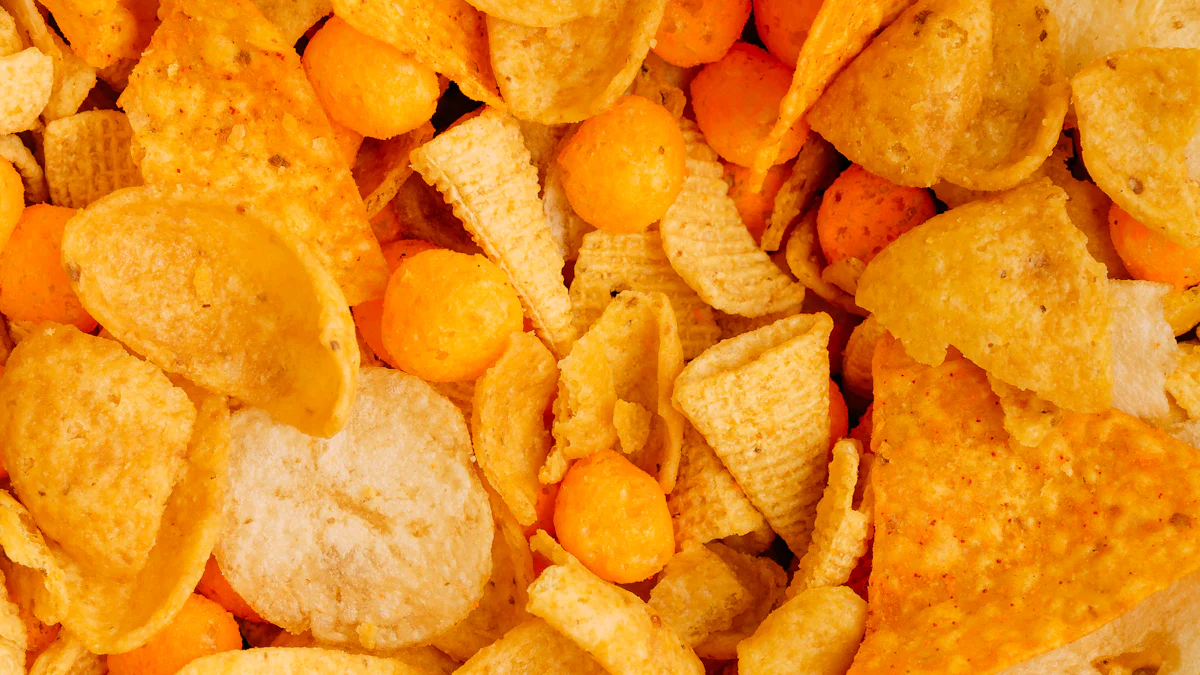 Image Source: Internet
2.1.High-Sugar Foods
Sugary Drinks
Sugary drinks can cause rapid spikes in blood sugar levels. These spikes make it difficult to maintain stable blood sugar, even with medication. Avoid beverages like soda, energy drinks, and sweetened teas. These drinks add unnecessary calories and contribute to gastrointestinal distress.
Desserts and Sweets
Desserts and sweets contain high amounts of added sugars. Consuming these foods can interfere with the effectiveness of Semaglutide. Items like cakes, cookies, and candies should be limited. These foods not only spike blood sugar but also add empty calories, hindering weight loss efforts.
2.2.High-Fat Foods
Fried Foods
Fried foods are high in unhealthy fats. These fats can worsen the common side effects of Semaglutide. Foods like fried chicken, french fries, and doughnuts should be avoided. These items can reduce the medication’s weight loss properties and cause unpleasant side effects.
Processed Snacks
Processed snacks often contain trans fats and excessive sodium. These ingredients can negatively impact cardiovascular health. Avoid snacks like chips, crackers, and packaged pastries. These foods can exacerbate side effects and interfere with the medication’s efficacy.
2.3.Refined Carbohydrates
White Bread and Pasta
White bread and pasta are examples of refined carbohydrates. These foods can cause quick spikes in blood sugar levels. Replace these items with whole-grain alternatives. Whole grains provide more fiber and help maintain stable blood sugar levels.
Pastries and Baked Goods
Pastries and baked goods often contain both refined carbohydrates and added sugars. These foods can hinder weight loss and increase the risk of side effects. Limit the intake of items like muffins, croissants, and pies. Opt for healthier snack options to support overall health.
2.4.High-Sodium Foods
Processed Meats
Processed meats contain high levels of sodium and preservatives. These meats include items like bacon, sausages, and deli meats. Consuming processed meats can lead to increased blood pressure and water retention. High sodium intake can interfere with the effectiveness of Semaglutide. Avoiding processed meats helps maintain stable blood pressure and supports cardiovascular health.
Canned Soups and Sauces
Canned soups and sauces often contain excessive sodium. This high sodium content can cause fluid retention and increase blood pressure. Consuming these foods can reduce the efficacy of Semaglutide. Opt for low-sodium or homemade versions of soups and sauces. This choice helps manage sodium intake and supports overall health.
3.Practical Tips for Adhering to the Diet
 Image Source: Internet
3.1.Reading Food Labels
Identifying Hidden Sugars
Reading food labels helps identify hidden sugars. Many packaged foods contain added sugars that can interfere with Semaglutide’s effectiveness. Look for ingredients like high fructose corn syrup, sucrose, and glucose. Avoid products with these ingredients to maintain stable blood sugar levels.
Recognizing Unhealthy Fats
Unhealthy fats, such as trans fats and saturated fats, can worsen side effects. Check food labels for terms like partially hydrogenated oils and palm oil. Consuming foods with these fats can reduce the medication’s efficacy. Choose items with healthy fats like olive oil and avocados instead.
3.2.Meal Planning
Preparing Balanced Meals
Preparing balanced meals supports weight loss and overall health. Include lean proteins, whole grains, and plenty of vegetables in each meal. This approach ensures a nutrient-rich diet that complements Semaglutide. Avoid high-fat and high-sugar foods to prevent gastrointestinal distress.
Healthy Snack Options
Healthy snack options help manage hunger between meals. Opt for snacks like fresh fruit, nuts, and yogurt. These choices provide essential nutrients without adding unnecessary calories. Avoid processed snacks that contain unhealthy fats and added sugars.
3.3.Consulting Healthcare Providers
Personalized Dietary Advice
Consulting healthcare providers offers personalized dietary advice. Medical professionals can tailor recommendations based on individual needs. This guidance helps optimize the benefits of Semaglutide. Regular consultations ensure the diet aligns with health goals.
Monitoring Progress
Monitoring progress with healthcare providers ensures effective weight management. Regular check-ins help track dietary adherence and medication efficacy. Adjustments to the diet may be necessary based on progress. This ongoing support enhances the overall success of the weight loss journey.
Recapping the key points, avoiding high-sugar, high-fat, refined carbohydrate, and high-sodium foods can enhance the effectiveness of Semaglutide. Following these dietary guidelines supports overall health and weight management.
Donnangelo, a nutrition expert, emphasizes, “Patients’ nutritional needs should be closely supervised by obesity-trained physicians and registered dietitians while taking medications like semaglutide.”
Consult healthcare providers for personalized advice. Regular consultations ensure that dietary choices align with individual health goals.
